
If you’ve ever selected a Yanmar engine and assumed the yanmar gearbox could be chosen later, you’re not alone.
It’s also one of the most common and costly mistakes we see.
At Yanmar Marine Experts, we work with private vessel owners, commercial operators, and shipyards worldwide. In a large percentage of cases where performance issues occur after installation, the problem is not the engine. It is the gearbox.
This guide is based on real-world supply and configuration experience with Yanmar marine diesel engines, not theory. The goal is simple: help you understand how Yanmar gearboxes work and how to match them correctly from the start.
A marine gearbox connects the engine to the propeller and controls how engine power is transferred into propulsion.
While this may seem straightforward, in practice it directly affects how the vessel performs under load.
A correctly matched gearbox ensures:
An incorrect setup leads to:
From our experience working with Yanmar diesel engines, most drivetrain-related issues originate from incorrect gearbox ratios or mismatched configurations rather than engine faults. How marine diesel propulsion systems work.Marine Gearbox
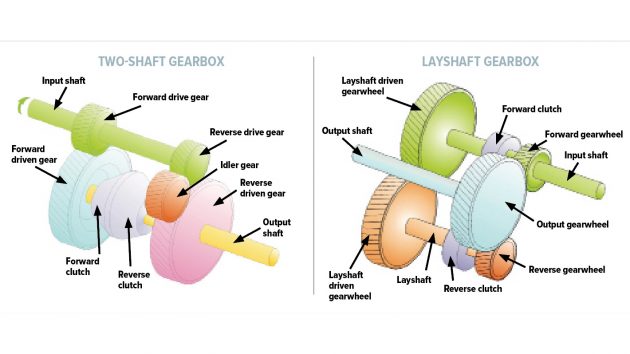
Selecting the correct gearbox depends on the vessel type, engine output, and operating conditions.
Mechanical gearboxes are commonly used in:
They are known for durability, simplicity, and long service life.
For many installations using a marine engine yanmar, mechanical gearboxes provide a reliable and proven solution when correctly matched. Yanmar marine gearboxes
Hydraulic transmissions are designed for higher horsepower and continuous load conditions.
They are typically used in:
These systems offer smoother engagement under load and are better suited for handling the torque produced by larger yanmar engines marine.
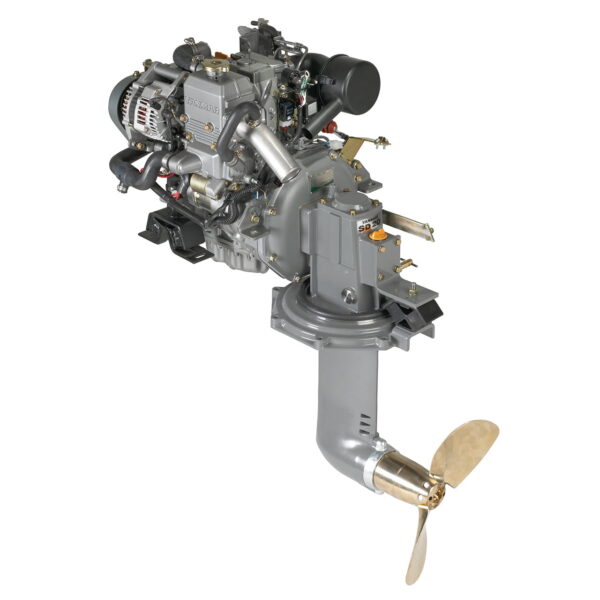
Saildrives are designed specifically for sailboat applications.
They offer:
In repower projects, upgrading to a properly matched Yanmar saildrives SD50 and SD60 saildrive system alongside yanmar diesel marine engines often results in noticeable improvements in handling and onboard comfort.
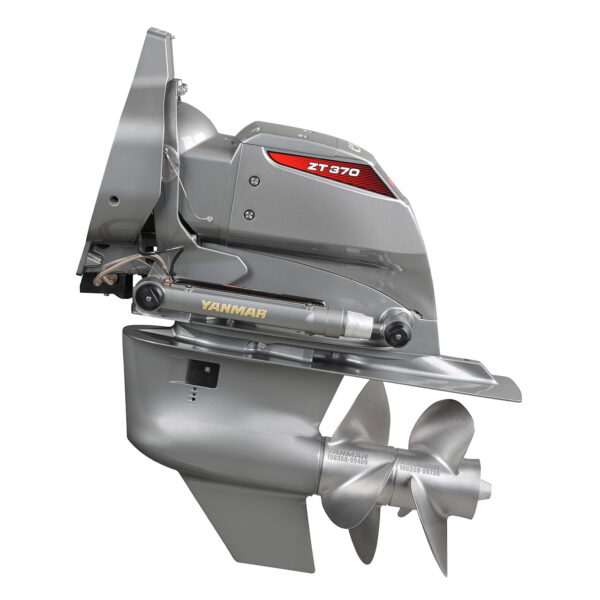
Sterndrives are used in performance-oriented applications and are typically paired with modern engine platforms.
They are suitable for:
These systems function as integrated propulsion units where the engine and drive must be correctly configured together. Yanmar ZT sterndrives
Gear ratios are one of the most critical aspects of gearbox selection.
A gearbox ratio defines how engine speed is reduced before reaching the propeller.
For example, a 2:1 ratio means the engine rotates twice for every one propeller rotation.
From practical experience:
Lower ratios such as 1.5:1:
Higher ratios such as 2.23:1:
This means vessel type must always be considered. A lightly loaded cruising vessel and a fully loaded commercial vessel require entirely different setups. marine industry standards
We worked with a commercial vessel operator experiencing excessive fuel consumption and reduced thrust.
The engine had been correctly specified, but the gearbox ratio was not suited to the vessel’s operating load.
After correcting the ratio:
This is a common scenario and highlights why ratio selection must be based on real operating conditions.
Correct matching requires a structured approach.
Engine selection must consider:
Each yanmar engine performs differently depending on how it is loaded and used. Yanmar 4LV marine engines.
The intended use of the vessel is critical.
For example:
Applications using Yanmar diesel motors in commercial environments require gearbox configurations designed for continuous operation. boat maintenance resources
The propeller must be matched to both engine and gearbox.
Key factors include:
Incorrect matching leads to inefficiency and increased mechanical stress. Yanmar 6LY marine engines
Different propulsion systems require different gearbox solutions:
Each setup changes how power is transmitted and must be considered during selection.
Not all gearboxes are compatible with every engine.
From our experience, the most reliable results come from using:
Based on years of supply experience, the most frequent issues include:
These mistakes often result in:
Professional buyers approach engine and gearbox selection as a single system.
A complete propulsion package typically includes:
This approach ensures:
Selecting the correct system is only part of the process.
It is equally important to consider:
For , proper coordination ensures the system arrives ready for installation and operation. global shipping and delivery options
There is a clear difference between purchasing components and building a working propulsion system.
From years of working with yanmar marine diesel engines, the key lessons are consistent:
The engine and gearbox should always be treated as a single integrated system.
When correctly matched:
When mismatched:
If you are evaluating a Yanmar marine diesel engine, Yanmar gearbox, or a complete propulsion system, the best place to start iswith a properly engineered configuration.
Taking the time to match the system correctly from the beginning avoids costly corrections later and ensures reliable performance in real operating conditions. buy Yanmar engines for sale

Comments (5)
[…] customers reading our Yanmar Gearboxes Guide are often surprised to learn how strongly transmission reliability depends on overall engine […]
[…] For a deeper understanding of propulsion ratios and drivetrain configurations, operators should also review the Yanmar Gearboxes Guide. […]
[…] Correct drivetrain efficiency also affects long-term reliability, which we explain further in the Yanmar Gearboxes Guide. […]
[…] researching propulsion balancing should also review the Yanmar Gearboxes Guide and the Yanmar Engine and Gearbox Matching […]
[…] gearbox compatibility, […]