
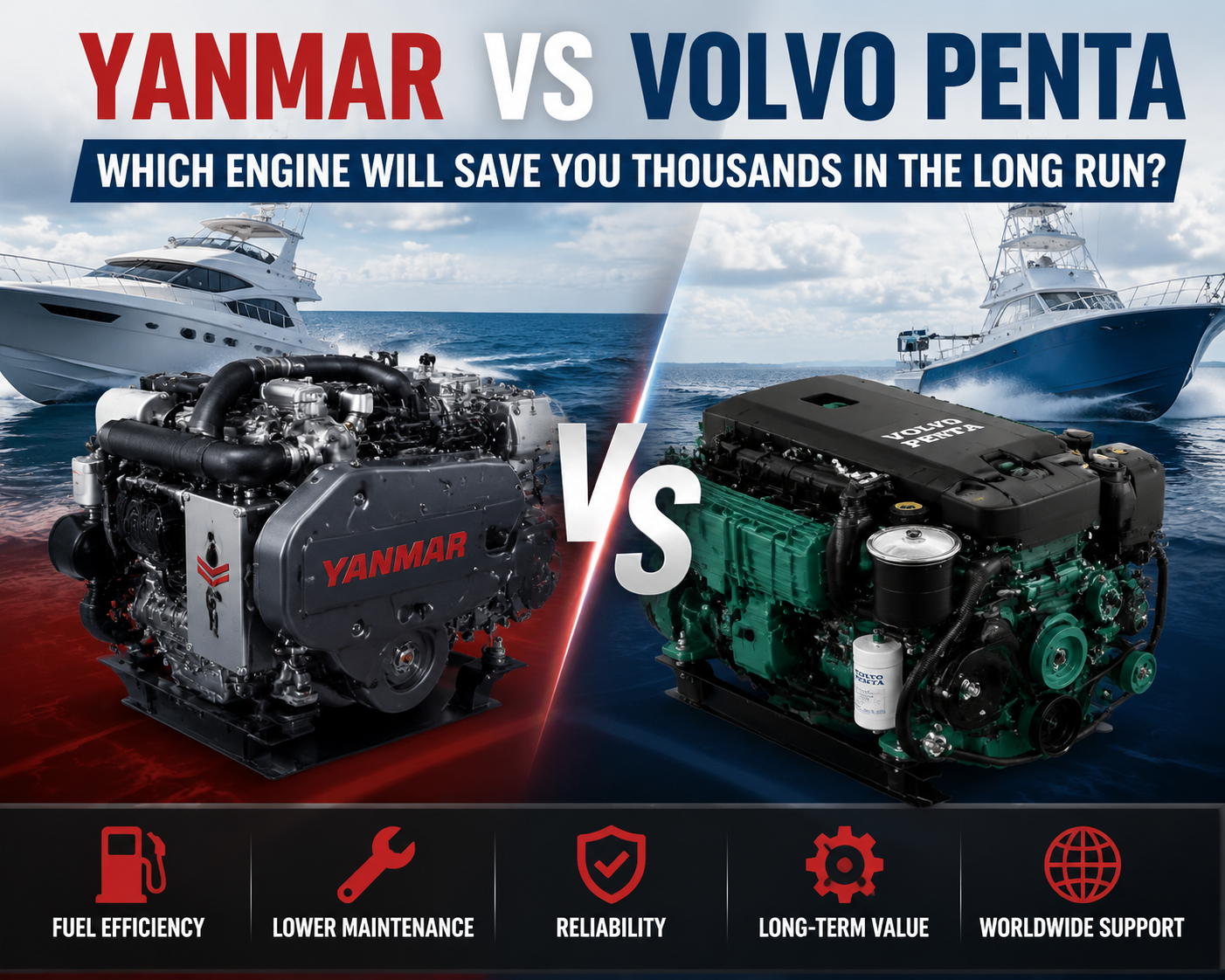
If you’ve spent time around marinas, boatyards, fishing docks, or offshore operators, you’ve likely heard this debate countless times: Yanmar vs Volvo Penta.
Some captains swear by Yanmar Marine Diesel Engines, praising their fuel efficiency and simplicity. Others won’t buy anything except Volvo Penta Marine Diesel Engines, citing integrated electronics and joystick controls. Commercial operators often prefer Yanmar’s reliability, while yacht owners appreciate Volvo Penta’s advanced technology.
So which engine is actually better?
The answer is nuanced. Both manufacturers build excellent marine propulsion systems. However, after helping customers worldwide compare engines for sailboats, offshore fishing vessels, cruising yachts, and commercial workboats, one trend becomes clear: buyers focused on long-term ownership costs often choose Yanmar Marine Diesel Engines.
Not because Volvo Penta makes poor engines—they don’t. But operators evaluating fuel consumption, maintenance costs, parts availability, service support, and total cost of ownership often find that Yanmar Marine Diesel Engines deliver exceptional value over the life of a vessel.
At Yanmar Marine Experts, we regularly work with:
…all trying to answer the same question:
“Which engine will save me the most money over the next ten years?”
Because over the life of a vessel, the biggest expenses rarely come from the purchase price. They come from fuel consumption, routine maintenance, parts replacement, cooling system repairs, gearbox servicing, downtime, haul-outs, repower expenses, and resale value.
One customer recently told us:
“I started comparing engines based on horsepower, but I ended up buying based on ownership costs.”
Honestly, that’s exactly how experienced boat owners think. Offshore, reliability and operating costs matter far more than marketing brochures.
This guide explains everything boat owners need to know when comparing Yanmar Marine Diesel Engines and Volvo Penta Marine Diesel Engines, and why Yanmar frequently emerges as the better long-term investment.
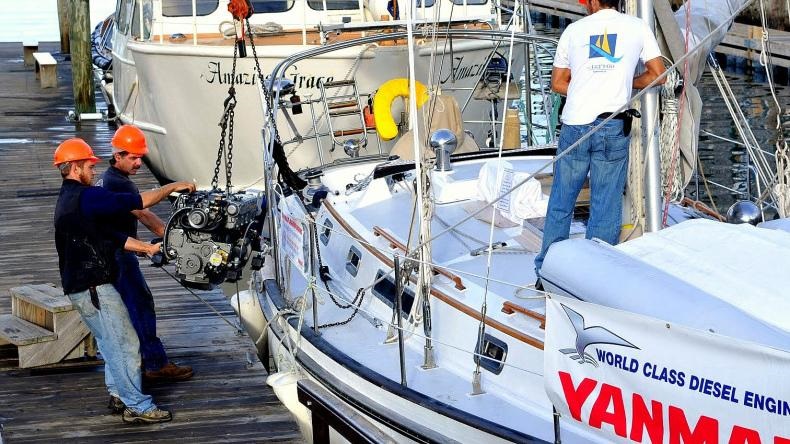
| Category | Better Choice |
|---|---|
| Fuel Economy | Yanmar |
| Long-Term Ownership Cost | Yanmar |
| Maintenance Simplicity | Yanmar |
| Parts Availability | Yanmar |
| Commercial Vessel Applications | Yanmar |
| Sailboats | Yanmar |
| Offshore Fishing Boats | Yanmar |
| Repower Projects | Yanmar |
| Technology & Electronics | Volvo Penta |
| Joystick Docking | Volvo Penta |
| IPS Propulsion Systems | Volvo Penta |
| Integrated Helm Systems | Volvo Penta |
| Long-Term Reliability | Yanmar |
| Fuel Savings Over Time | Yanmar |
For buyers focused on long-term ownership costs, fuel efficiency, reliability, and ease of maintenance, Yanmar Marine Diesel Engines frequently emerge as the preferred choice. Volvo Penta remains highly competitive in technology and integrated systems but can involve higher service complexity. volvo penta vs yanmar – Cruisers & Sailing Forums
Consider two owners operating similar vessels approximately 200 hours per year.
Owner A chooses a propulsion package emphasizing fuel efficiency, maintenance simplicity, and commercial durability.
Owner B chooses a propulsion package prioritizing integrated electronics and advanced controls.
Over a ten-year ownership period, the largest expenses are not the initial purchase price but:
Even small differences in efficiency and maintenance can save thousands of dollars over the life of a vessel. This is why many captains, commercial operators, and long-distance cruisers continue to select Yanmar Marine Diesel Engines.
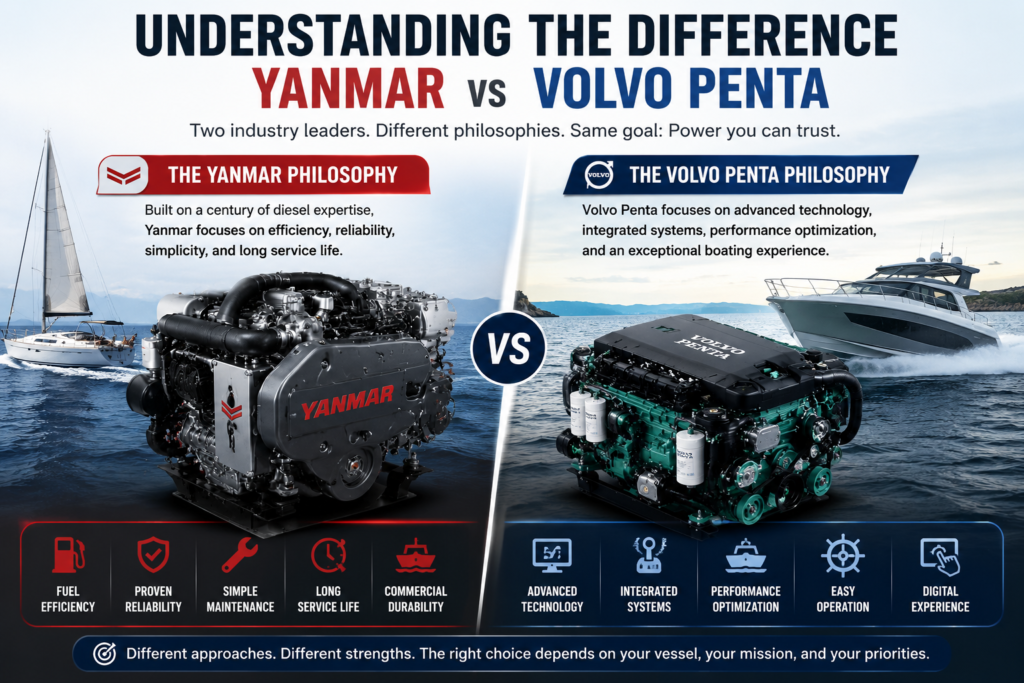
Before comparing specifications, it’s important to understand each brand’s philosophy.
Yanmar focuses on:
Yanmar Marine Diesel Engines power sailboats, offshore fishing boats, commercial workboats, ferries, patrol vessels, and cruising yachts. Many experienced captains describe Yanmar as:
“The engine you stop thinking about because it simply keeps running.”
Volvo Penta emphasizes:
Volvo Penta is famous for IPS systems, joystick docking, EVC, and integrated helm technology. These features provide excellent performance and comfort but may increase service complexity.
Horsepower excites. Reliability pays bills.
Yanmar Marine Diesel Engines are known for mechanical simplicity, fuel efficiency, and predictable operation. Many operators report thousands of hours of reliable performance when properly maintained.
Volvo Penta Marine Diesel Engines are highly reliable but integrate sophisticated electronics, which can require specialized diagnostic support.
In simple terms:
Fuel is often the single largest operating expense for:
Yanmar engines, including Yanmar 3YM30, Yanmar 4JH57, Yanmar 6LY440, and Yanmar 6LF530, have consistently delivered excellent fuel efficiency. Over thousands of hours, even small differences in fuel consumption can save thousands of dollars.
Volvo Penta also performs well, especially with D4, D6, and IPS systems, but fuel savings often depend on hull type, propeller setup, and operating profile.
Routine maintenance significantly affects long-term ownership costs. Many operators prefer Yanmar Marine Diesel Engines for:
Regular preventive maintenance includes:
Proper maintenance maximizes engine life and reduces expensive downtime. Experienced captains consistently report that Yanmar engines’ simplicity helps reduce total maintenance costs.
Long-term ownership costs are also influenced by drivetrain integration:
A poorly matched propulsion system can increase fuel consumption, vibration, maintenance costs, and component wear—regardless of engine brand. Proper installation planning is crucial, which is one reason Yanmar is preferred for many repower projects.
Many buyers are repowering rather than purchasing a new vessel. Repower planning includes evaluating:
Yanmar Marine Diesel Engines often simplify repower projects due to their range of sizes, gearbox compatibility, and mechanical simplicity.
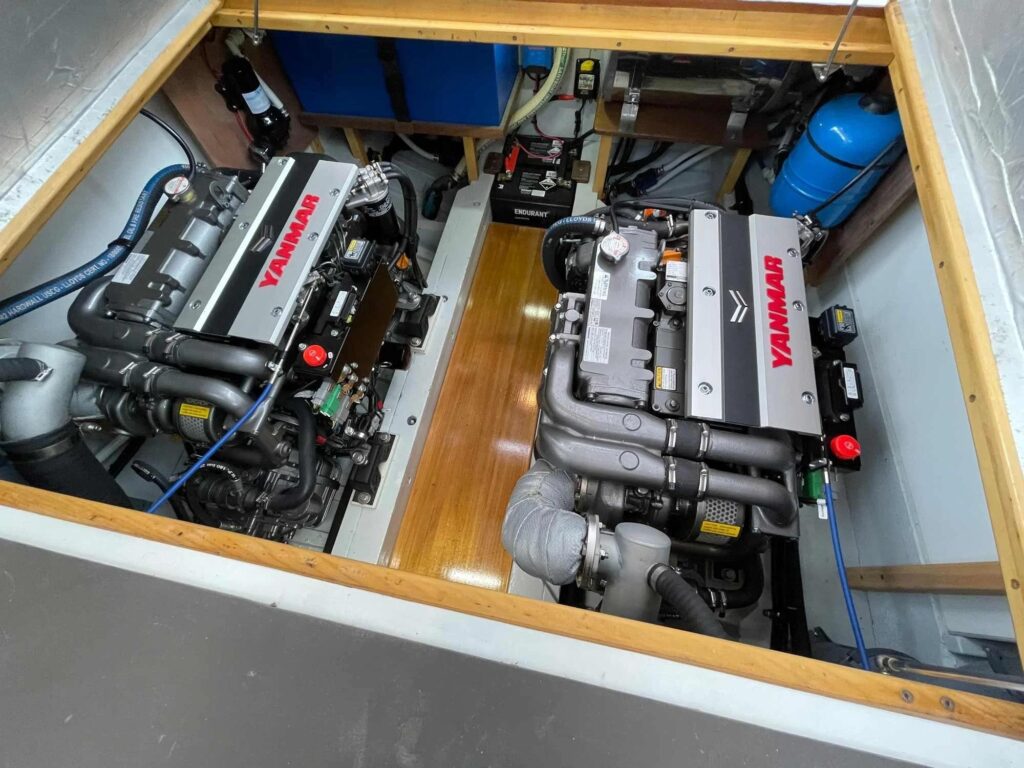
Yanmar Marine Diesel Engines are often the best choice for:
Popular models include:
Yanmar 3JH40, Yanmar 4JH45, Yanmar 4JH57, Yanmar 4JH80, Yanmar 4JH110, Yanmar 4LV150, Yanmar 4LV230, Yanmar 6LY440, and Yanmar 6LF530.
Volvo Penta may appeal to:
For buyers focused on fuel efficiency, maintenance simplicity, commercial durability, and long-term ownership savings, Yanmar Marine Diesel Engines are often the stronger choice. Volvo vs Yanmar
Which is more fuel efficient?
Yanmar Marine Diesel Engines have historically offered excellent fuel economy, especially in sailboats, cruising yachts, and commercial vessels.
Which engine costs less to maintain?
Yanmar engines generally have lower routine maintenance costs and more straightforward servicing compared to modern Volvo Penta systems.
Which brand is better for commercial vessels?
Yanmar’s simplicity, durability, and fuel efficiency make it particularly attractive for commercial operations.
Is Yanmar better for repower projects?
Yes. Yanmar engines offer flexibility, a wide range of sizes, and proven repower integration.
When comparing Yanmar vs Volvo Penta, the most important question isn’t “which engine has more horsepower?”
It’s:
“Which engine will save me thousands over the life of my boat while delivering the reliability and performance I need?”
The smartest operators consider:
Volvo Penta remains excellent for technology-focused applications, but for most sailboat, offshore fishing, commercial, and repower projects, Yanmar Marine Diesel Engines provide superior long-term value.
If you’re evaluating options, explore our full range of Yanmar Engines for Sale, compare popular models like Yanmar 4JH57, Yanmar 6LY440, and Yanmar 6LF530, or Request a Quote from our propulsion specialists.
The best marine engine isn’t just the one that powers your boat today—it’s the one that continues saving you money for years to come.
